


Learn about 15 easy, research-backed methods for boosting your emotional well-being and achieving emotional balance. Learn how to achieve emotional resilience by using techniques such as taking time out each day, breathing practices, movement activities, journaling, setting boundaries, and other healthy emotional coping methods.
Big changes in your life are not required for improvement of your emotional well-being and development of your emotional resilience. Small actions like self-checking, moving and setting boundaries can significantly contribute to your emotional wellness.

These 15 tips can be used and discussed in your blog. The key phrases used are: emotional health, emotional wellness, emotional well-being, emotional self-care, emotional balance, emotional resilience, managing emotions, healthy coping mechanisms, and mental and emotional health.
1. Check-in with your emotions once or twice a day
Firstly, it is necessary to stop and ask yourself "How do I feel now?" once or twice a day. You just need to name your emotion (joy, fear, frustration, calmness). It will help you to increase self-awareness and self-understanding which are the first steps to emotional well-being.
For additional guidance, you can read the CDC guide to improving emotional well-being.

2. Practice box breathing or 4-7-8 breathing technique
Intense emotions activate the activity of your nervous system. Box breathing (4-4-4-4 breathing), 4-7-8 breathing technique and similar techniques can help you to calm down and to respond instead of reacting. They are basic techniques of emotional self-care.
You can also explore these emotion management strategies for additional information about breathing and emotional regulation.

3. Move your body most days
Physical activities (walking, dancing, yoga, strength training, stretching exercises) relieve stress, improve mood and promote emotional wellness. It is recommended to have 30 minutes of exercising most days. But even short period of physical activity helps a lot. It is one of the most effective stress coping tools.
The CDC emotional well-being guidance also includes physical activity among helpful strategies.

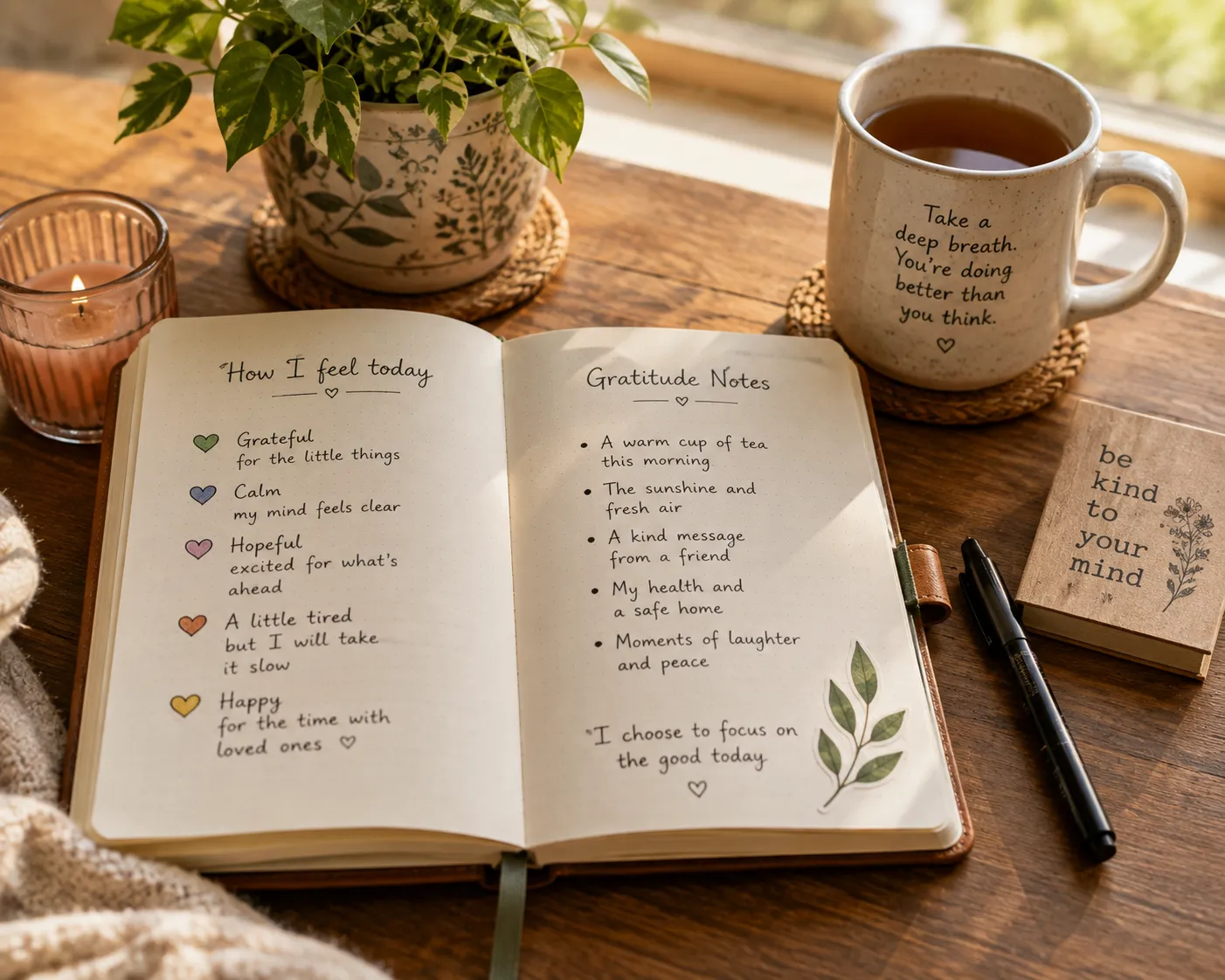
4. Journal your emotions or write a gratitude journal
This habit helps you to express your emotions and not to bottle them up. You can keep the emotions journal ("My emotions today are...") or gratitude journal ("My three things to be grateful today are..."). These journals support your emotional wellness and resilience through training your brain to recognize patterns and positive sides of your life.
The Mental Health Foundation guide to understanding and managing emotions also discusses noticing emotions and journaling.
5. Make sure you have enough sleep
Your state of mental and emotional well-being depends on the quality of your sleep. If you do not sleep well, you cannot regulate emotions, perceive social cues and cope with stressful situations. To have good quality of sleep, you should have a regular schedule of going to bed and comfortable conditions (cool, quiet and dark bedroom).
For more information about lifestyle habits that support emotional regulation, see this Harvard Health guide to self-regulation for adults.

6. Eat regularly and nourish your body
Skipping meals and regular consumption of fast food can result in irritability and inability to control your emotions. In order to have stable mood and energy, you should eat regularly and follow the balance of nutrients in your diet.
You can also learn more about lifestyle factors and emotional regulation from this guide to emotional self-regulation.

7. Do not spend too much time doomscrolling
Spending too much time on social media and watching news results in anxiety and depletion of your emotional resources. It is recommended to have a time limit for browsing your feed, mute triggering accounts and watch the news only at certain times of the day. This boundary is crucial for your mental and emotional well-being.

8. Create a small support network
It is necessary to stay connected with several people you trust who can be your friends, relatives, neighbors or support group members. It will help you to develop emotional resilience as you will not be alone coping with difficult situations. Social connection is one of the components of emotional wellness.
The CDC How Right Now emotional well-being resources also highlight connection and supportive activities.

9. Practice self-compassion
In case of failure or bad events, you need to pay attention to the way you treat yourself and replace criticizing thoughts ("I am such an idiot") with more realistic ones ("It was difficult for me, but I did my best"). Self-compassion decreases self-shame, improves emotional balance and is directly related to your mental and emotional well-being.
For more information, see this guide to building emotional resilience.

10. Set boundaries in your personal and professional life
If you are overloaded with responsibilities, it is necessary to refuse from additional tasks, not to work into the night and protect yourself from overwork in order to have enough rest. Boundaries help you to avoid burnout and create space for self-care and improvement of emotional well-being.
The University of Warwick guide to emotional resilience includes boundaries, balance, connection, self-awareness, and self-care as important areas to consider.

11. Choose healthy coping mechanisms when stressed
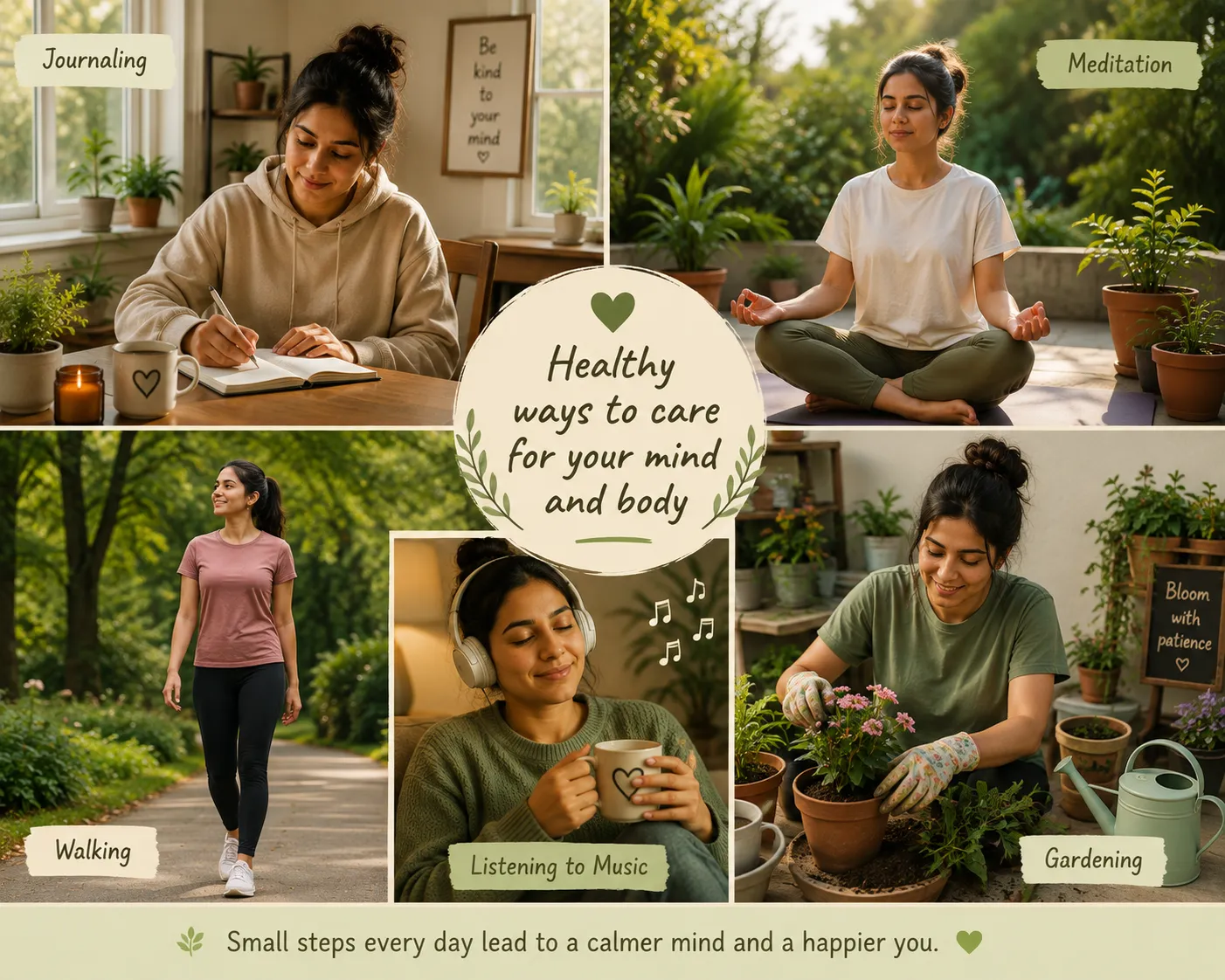
In case of stress, anxiety or depression, you should not rely on automatic reactions but choose purposeful strategies, such as:
- deep breathing or short meditation
- short walk or stretching
- journaling or talking with a friend
- listening to relaxing music
- hobby (art, cooking, gardening)
These strategies help you to manage your emotions and not to create additional problems.
You can explore these healthy coping mechanisms from Cleveland Clinic for additional ideas.
12. Practice cognitive reappraisal
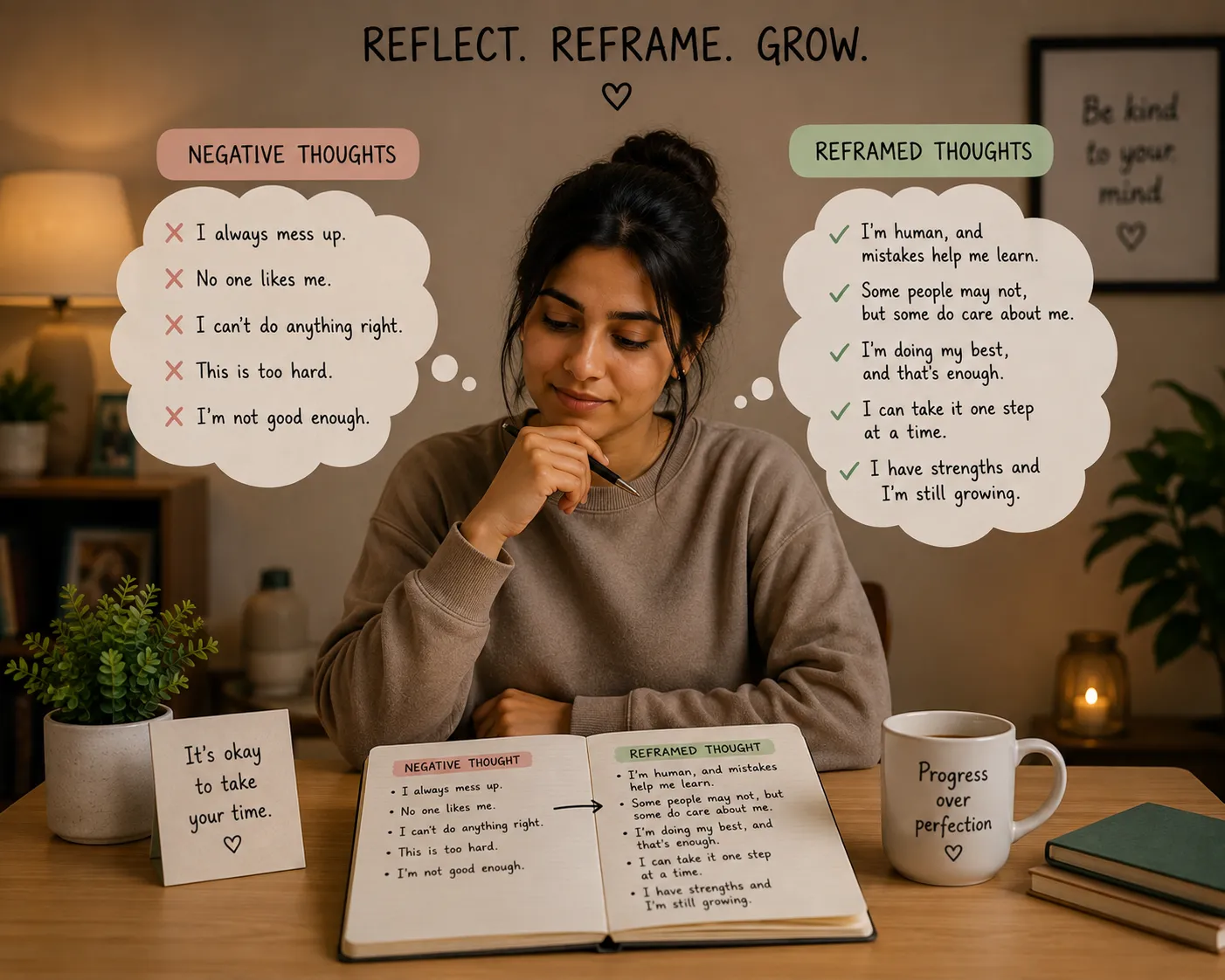
When you understand that you catastrophizing and have negative thoughts ("Everything goes wrong with me"), you should try to change your perspective: "Is there another way to look at it?". For example, "It is difficult for me, but I can cope with it gradually".
It is the strategy for managing your emotions and increasing emotional resilience.
For additional information about reframing and emotional health, you can read this guide to emotional health.
13. Establish recovery pauses in your day
Recovery pauses are brief pauses (for example, 2-minute breathing pause, drinking tea without screens, short walk outside) that allow your nervous system to recover from stress. They support your emotional wellness and help you to maintain emotional balance.
The CDC How Right Now resources include activities such as breathing, nature walks, creative activities, and connection.

14. Have something meaningful or enjoyable every day
It is necessary to plan at least one activity per day that is meaningful and enjoyable for you: hobby, spending time with your beloved ones, volunteering, creation, or any other activity you like. Meaningful activities help you to improve your mood, decrease stress and develop emotional resilience.
You can also explore these emotional health tips for ideas involving connection, goals, meaning, and healthy lifestyle habits.

15. Seek professional help if needed
In case of constant sadness, anxiety, anger, numbness and impossibility to cope with these emotions, it is necessary to seek professional help. Therapy or counseling will provide you with special coping strategies for managing your emotions and developing emotional resilience.

Usage of These Strategies
All these 15 strategies do not imply perfection; it is just a toolkit for your emotional health that you can use anytime. Some of these habits (sleep, movement, nutrition) provide you with a biological basis for your stable moods. Some strategies (journaling, breathing, self-compassion) help you to notice and regulate your emotions. And some of them (boundaries, connection, meaning) create a supportive environment for your emotional wellness.
Combination of all these practices improves your emotional resilience and helps to maintain your emotional balance.